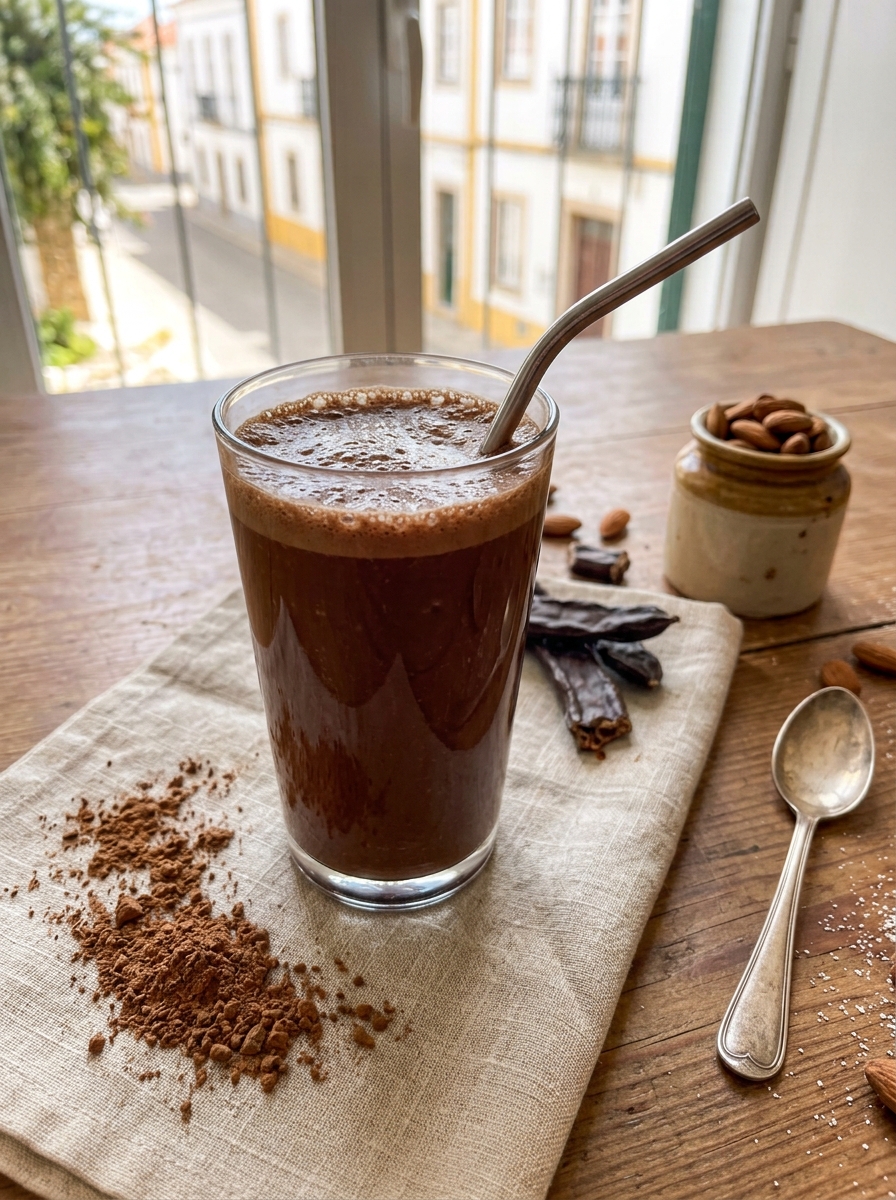
Carob

History

history

Carob and Carob Tree


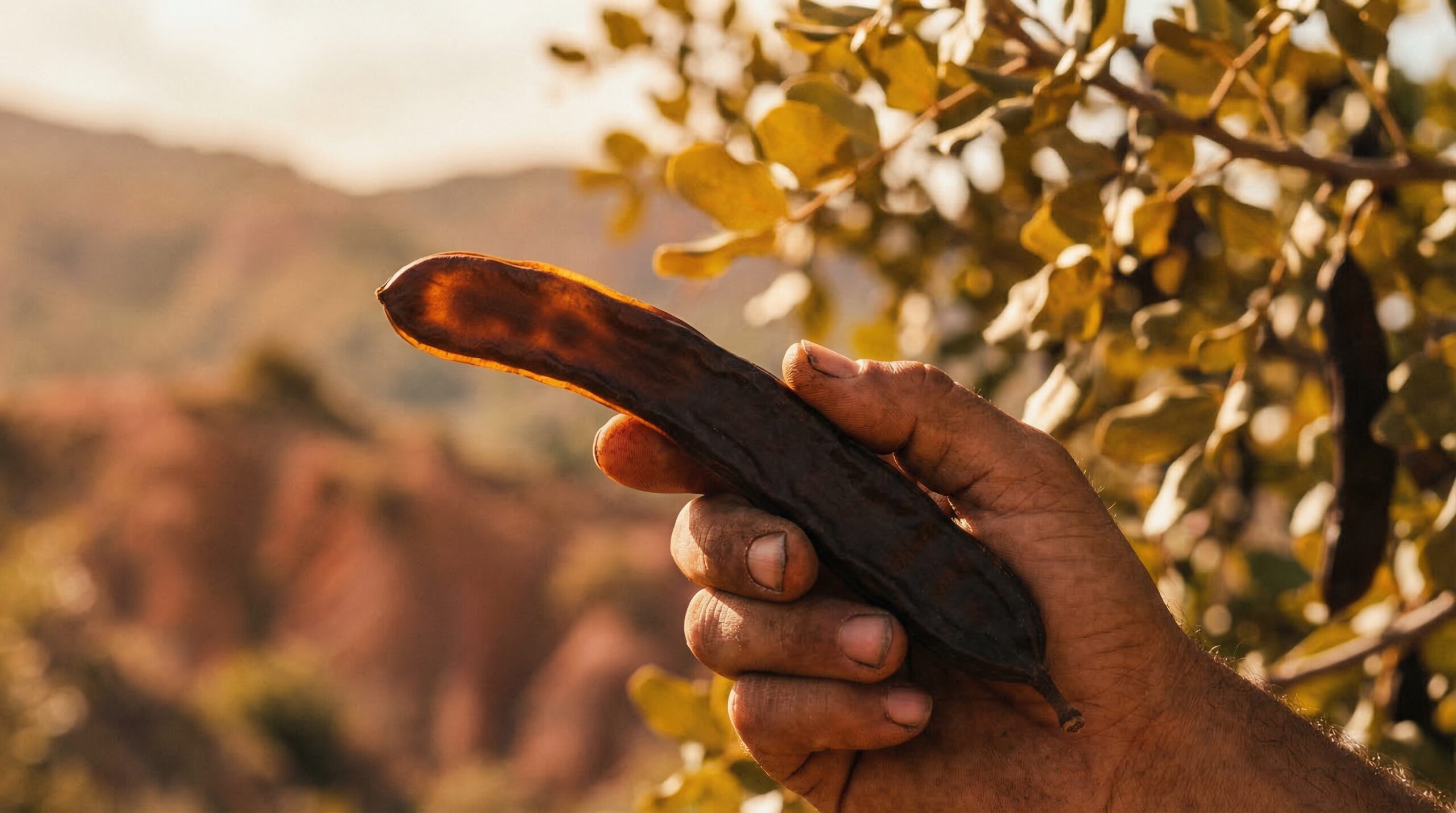
Carob is the fruit of the carob tree (Ceratonia siliqua), a very ancient tree cultivated for over 4,000 years in the Mediterranean region.
The name “carob” comes from the Arabic word “al-kharrub,” which means pod. For centuries, this fruit was very important for the diet of Mediterranean populations.
In the past, carob seeds were used to weigh gold and precious stones because they almost always have the same weight. This is where the word “carat” comes from, which is still used to measure the weight of precious stones.
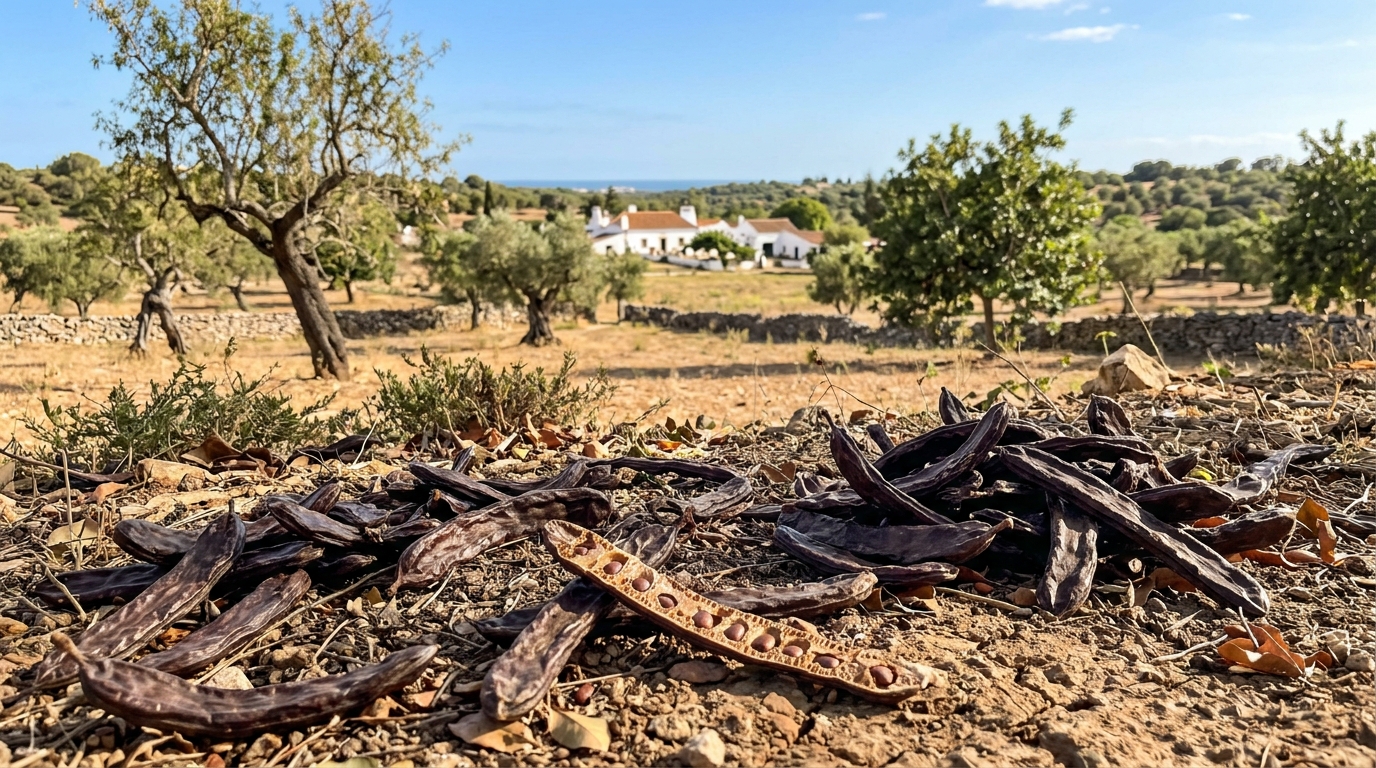
In Portugal, the carob tree is very common in the Algarve, where it is part of the rural landscape and traditional agriculture.
The carob grows on the carob tree, a strong tree resistant to hot climates. It is an evergreen tree, meaning it does not lose its leaves in winter, and can reach between 10 and 15 meters in height. Its leaves are dark green, thick, and glossy, and it produces long brown pods, which are the carob beans.
The carob tree grows slowly, but it is a very heat- and drought-resistant tree and can live for hundreds of years, in some cases exceeding 500 years of age.

Transformation

After drying, the carob pods go through several stages. First, the pods are cleaned, then the seeds are separated, and finally, the pulp is ground. This process results in carob flour.

This flour has a dark brown color and a sweet taste similar to chocolate, being widely used in local confectionery, such as:

  • Carob Cake: Perhaps the most iconic sweet, it is appreciated for its intense flavor and texture reminiscent of a dense, but less sweet, chocolate cake.
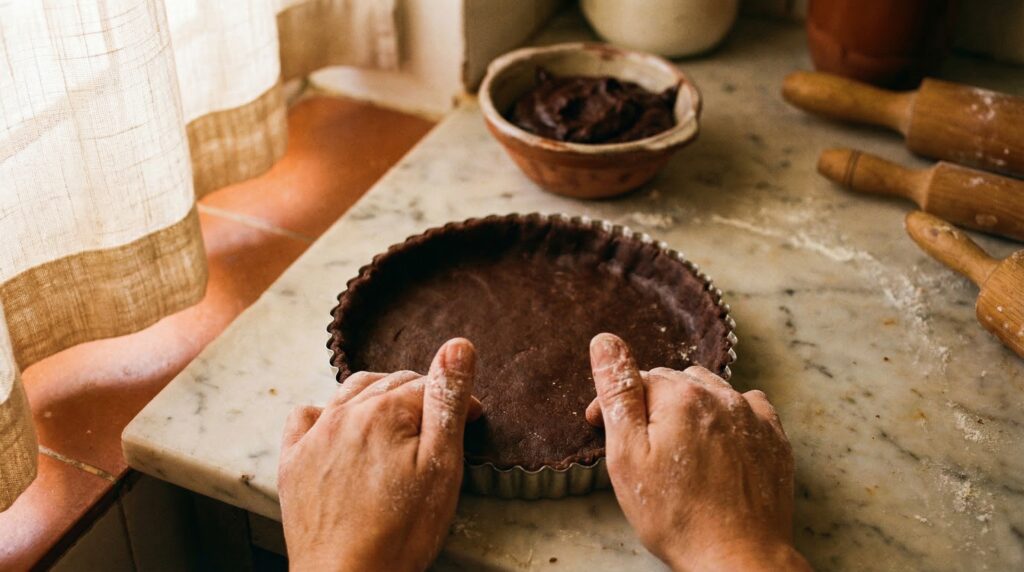
  • Carob Tart: A rolled variant, often filled with egg custard or combined with almonds, resulting in a moist and rich dessert.
  • Carob Morgado: An adaptation of the traditional Algarve Morgado, incorporating carob flour into the almond and sugar dough.
  • Carob Delight: Often found in slices, this dessert combines the “three delights” of the Algarve: carob, almond, and fig.
  • Carob Jam (Compote): A creamy paste, excellent for spreading on bread or biscuits, made with crushed carob pods.
  • Carob Chocolates: Used as a healthy alternative to cocoa chocolates, often filled with arbutus brandy or nuts.

Simple Recipes with Carob

  • 2 cups all-purpose flour
  • 1 cup sugar
  • ½ cup carob powder
  • 1 tablespoon baking powder
  • 3 eggs
  • 1 cup milk
  • ½ cup oil

Preparation
Preheat oven to 180°C (350°F). Mix the dry ingredients. Add the eggs, milk, and oil and mix well. Bake for 35 to 40 minutes.

Ingredients

  • 2 cups of flour
  • ½ cup of carob flour
  • 1 cup of sugar
  • 125 g of butter
  • 1 egg

Preparation
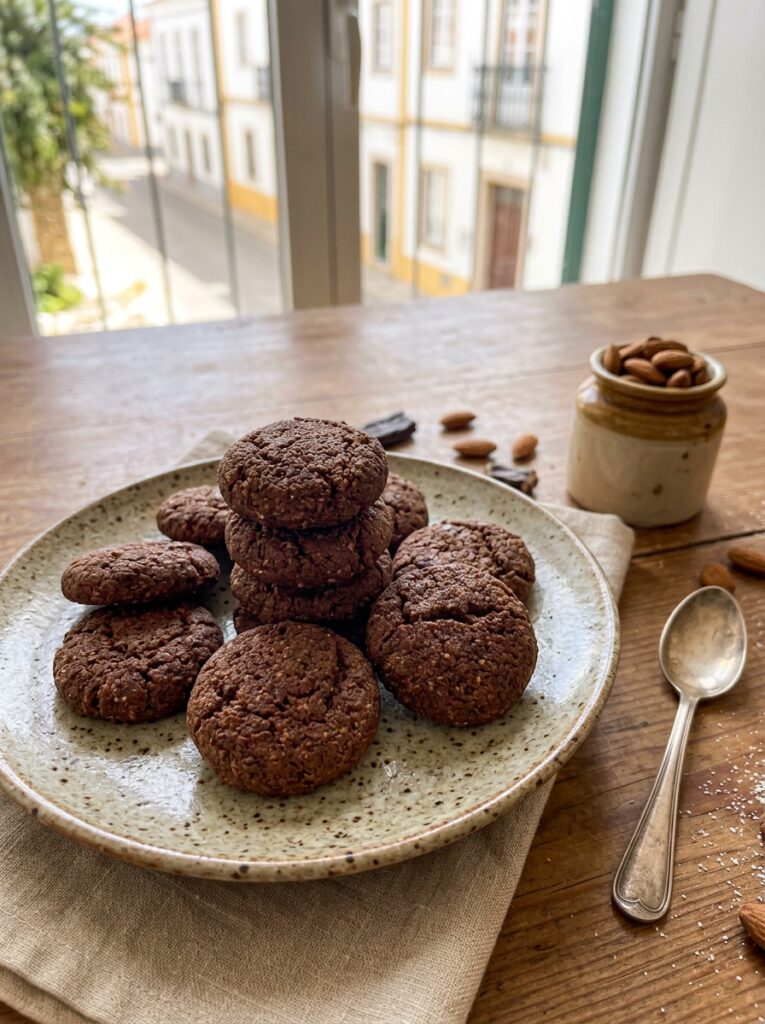
Mix all ingredients until a dough forms. Make small balls and place them on a baking sheet lined with parchment paper. Bake at 180°C for 12 to 15 minutes.

  • 1 banana
  • 1 cup of milk
  • 1 tablespoon of carob powder
  • Honey to taste

Preparation
Place all ingredients in a blender and blend until smooth.

Final Notes

Carob is a very important fruit in the agriculture and gastronomy of the Algarve. The carob tree adapts perfectly to the region’s hot and dry climate, being a resistant and long-lasting tree.

Currently, carob is used in many food products and is increasingly valued for its nutritional properties and natural sweet taste. For tourists visiting the Algarve, trying products made with carob is an excellent way to discover traditional flavors of the region.

Scroll to Top